
How Installation
Works Step by Step
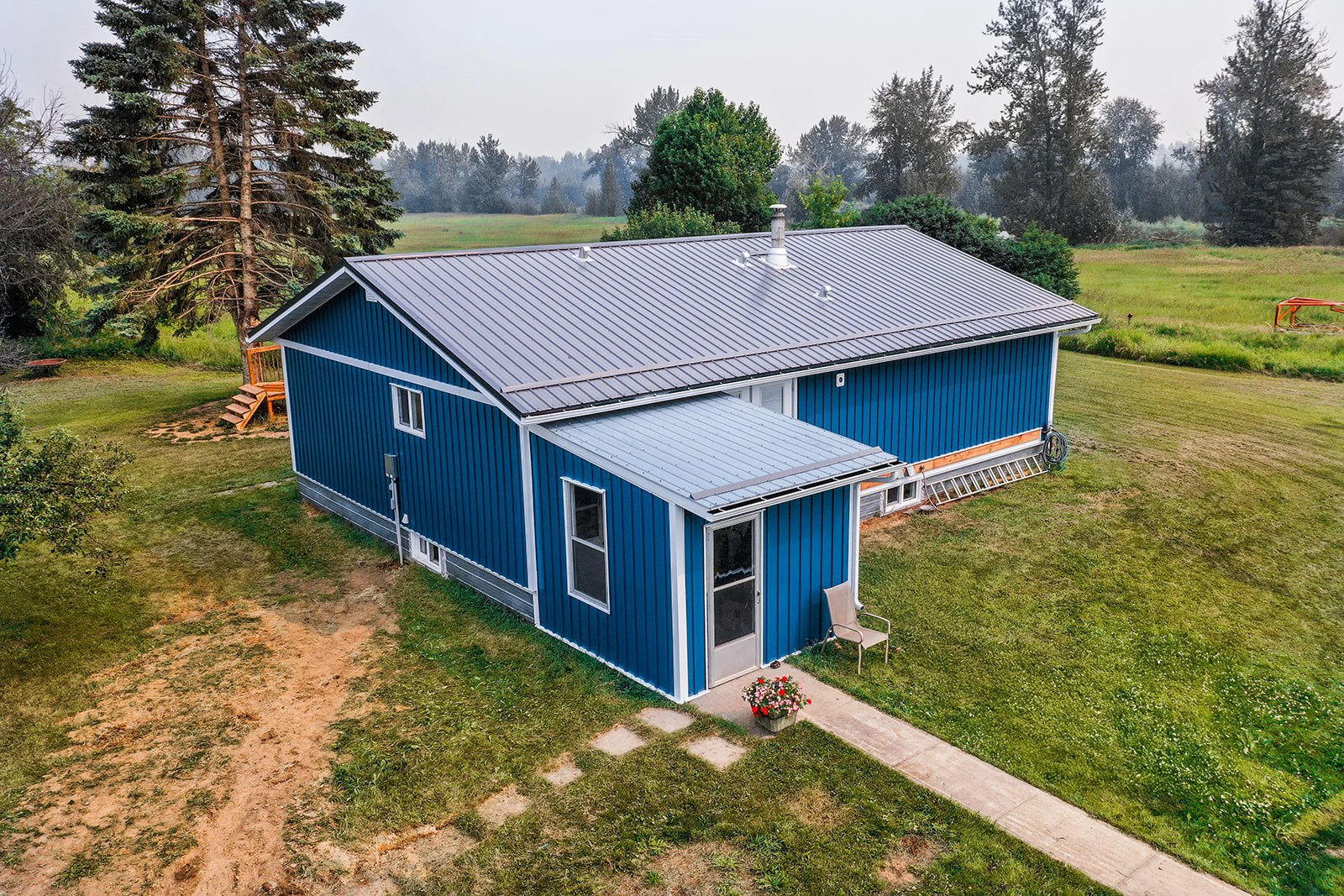
Board & Batten is a concealed fastener wall panel system designed to replicate the timeless look of traditional wood siding. A raised batten cap snaps or clips over the fastener flange, completely hiding screws for a clean, modern finish with enhanced durability.
1. Preparing the existing roof
If an old roof is present, it is typically either removed down to the wood decking or, in many cases, left in place and covered using 1x4 strapping. This creates a stable base for the new roofing system and ensures proper installation.
2. Inspecting and prepping the deck
The wood underneath gets inspected for any rot, soft spots, or damage. Anything compromised gets replaced before anything else happens — you can't build a good roof on a bad foundation.
3. Installing the underlayment
A protective layer gets rolled out over the decking before any metal goes on. This acts as a moisture barrier and adds an extra layer of protection between the metal and the wood.
4. Installing the metal panels
The metal panels are laid out and fastened down in a specific pattern, overlapping each other in a way that sheds water. The way they connect and seal to each other is critical — gaps or improper overlaps are where leaks start.
5. Installing the trim
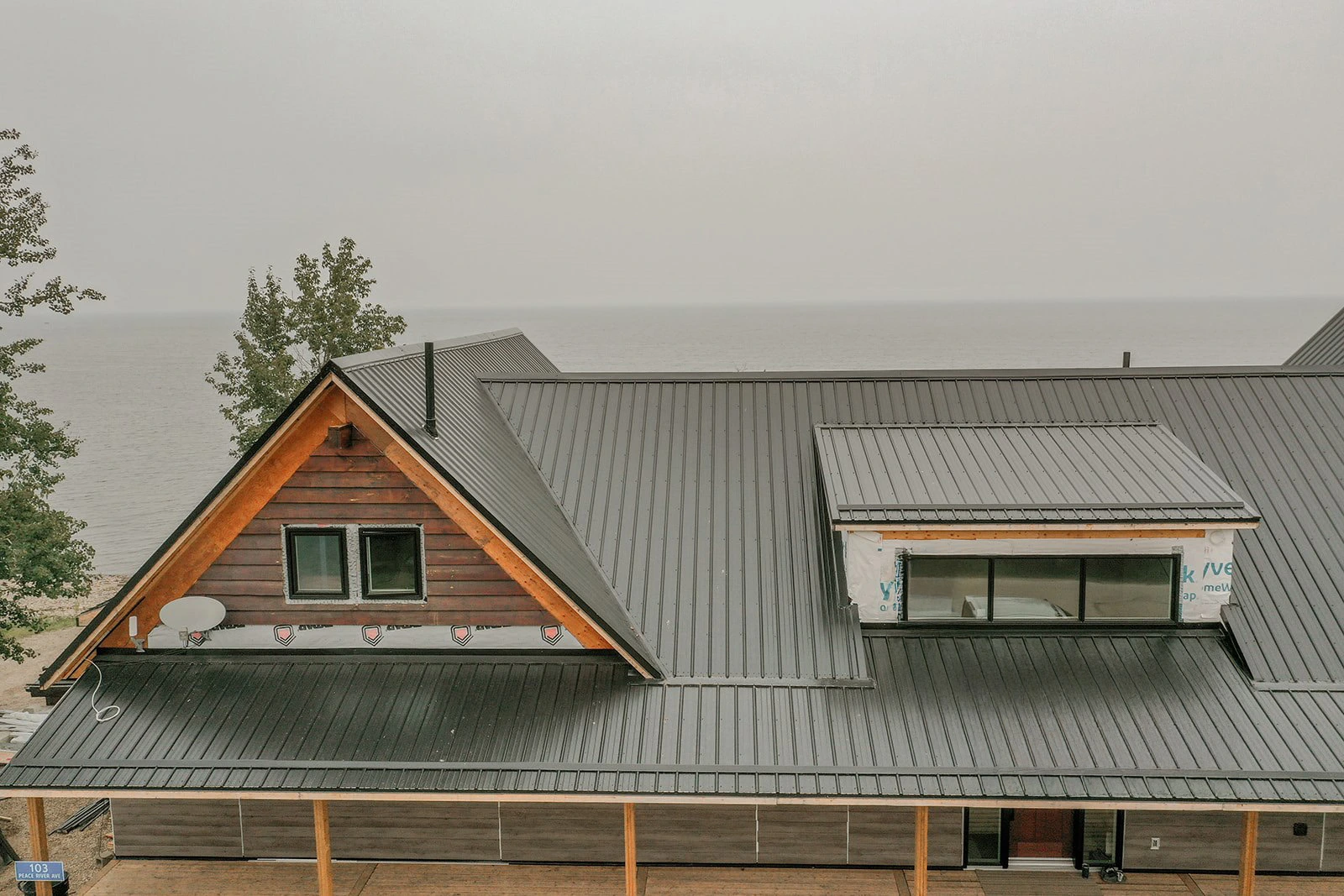
This is where all the edges, peaks, valleys, and transitions get covered with formed metal trim pieces. This includes the ridge cap at the very top, the drip edges along the sides, and flashing around anything that penetrates the roof like chimneys or vents. These pieces are what seal everything off and give the roof a finished, weathertight look.
6. Final inspection and cleanup
The crew checks all panels, fasteners, and trim to ensure everything is secure and sealed properly. Any final adjustments are made, then the site is cleaned up and all debris is removed, leaving a fully finished, watertight roof.
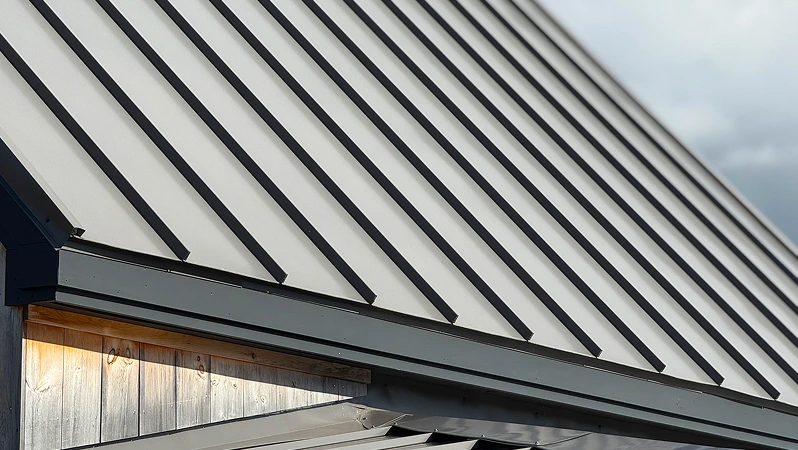
Leaks start at the details
The panels themselves rarely fail — problems almost always happen at the seams, edges, and penetrations. If the trim and flashing aren't installed correctly, water finds a way in. A roof can look perfect from the street and still have installation issues that cause damage over time.
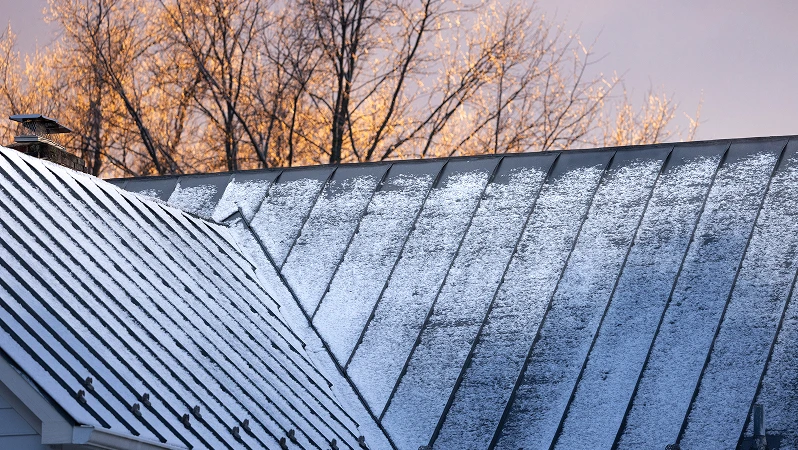
Metal moves
Metal expands and contracts with temperature changes. A properly installed metal roof accounts for this movement. If panels are fastened too tight or overlaps aren't done right, the metal can buckle, warp, or loosen over time.
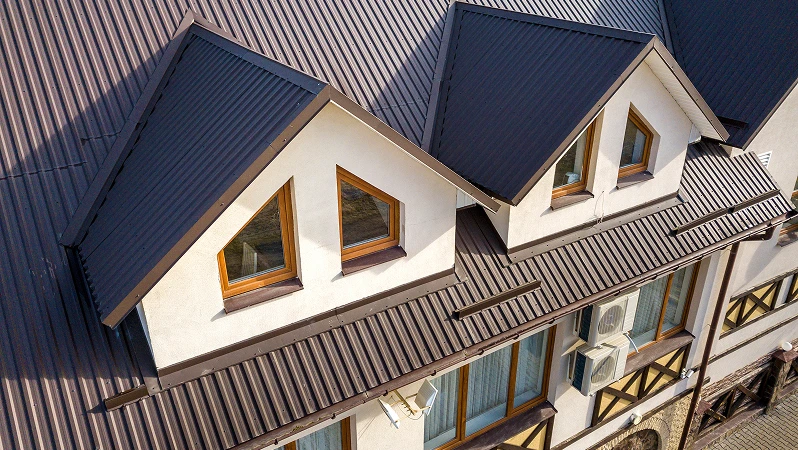
It's a long term investment
A metal roof installed correctly can last 40 to 70 years. Done wrong, you're looking at repairs and headaches long before that. The installation quality is what determines whether you actually get the lifespan you paid for.
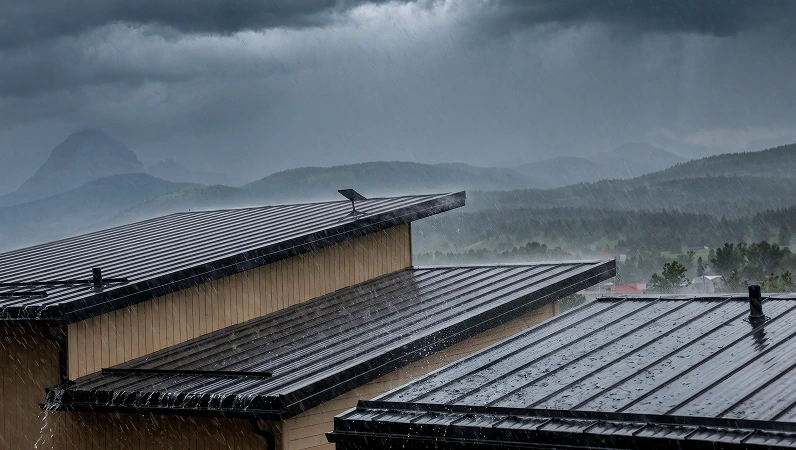
Wind and weather resistance
A properly installed metal roof is one of the strongest options available against high winds, heavy rain, and snow. But that performance is entirely dependent on how well it was put together — every fastener, every seam, and every trim piece plays a role.
Our Work in Action
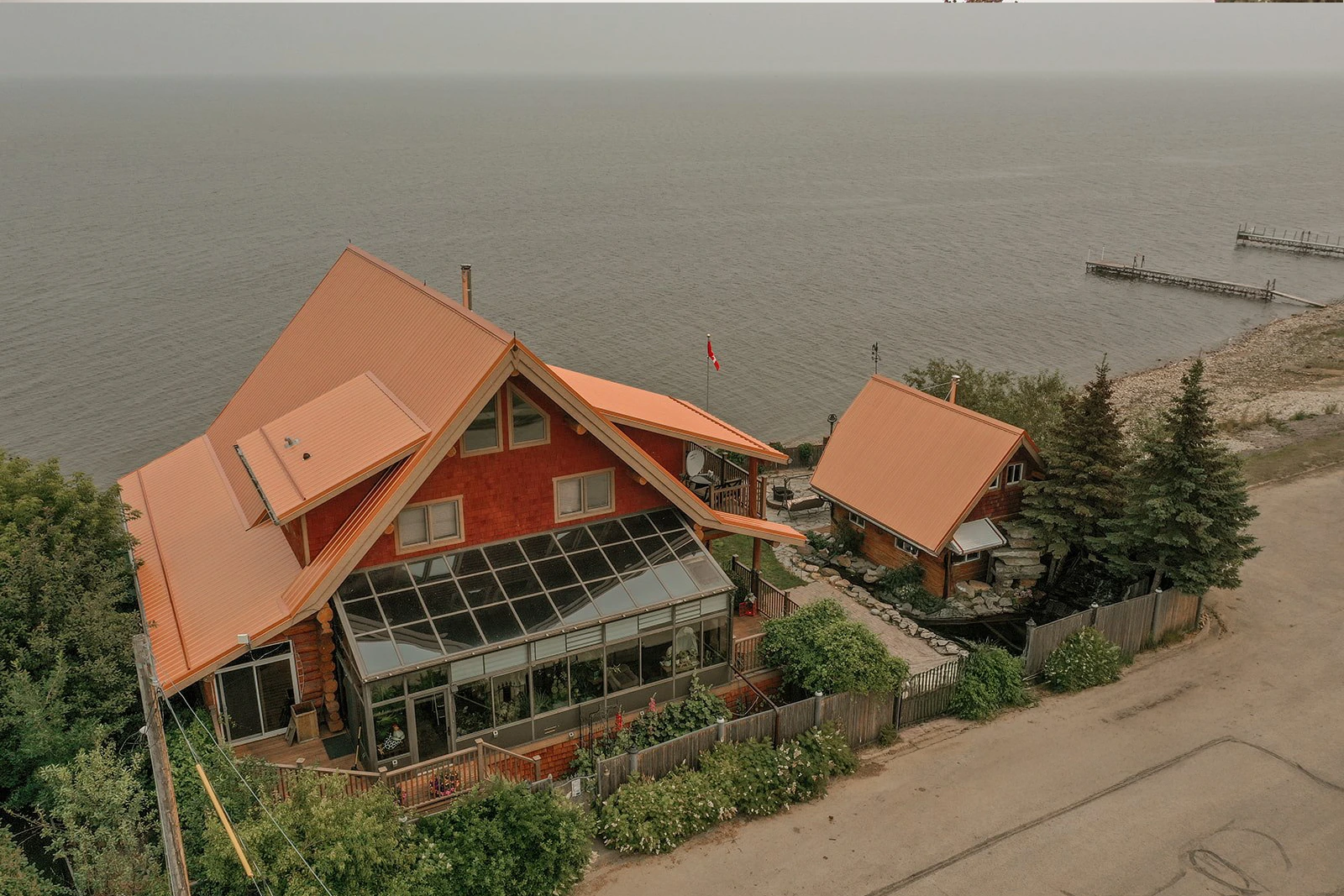
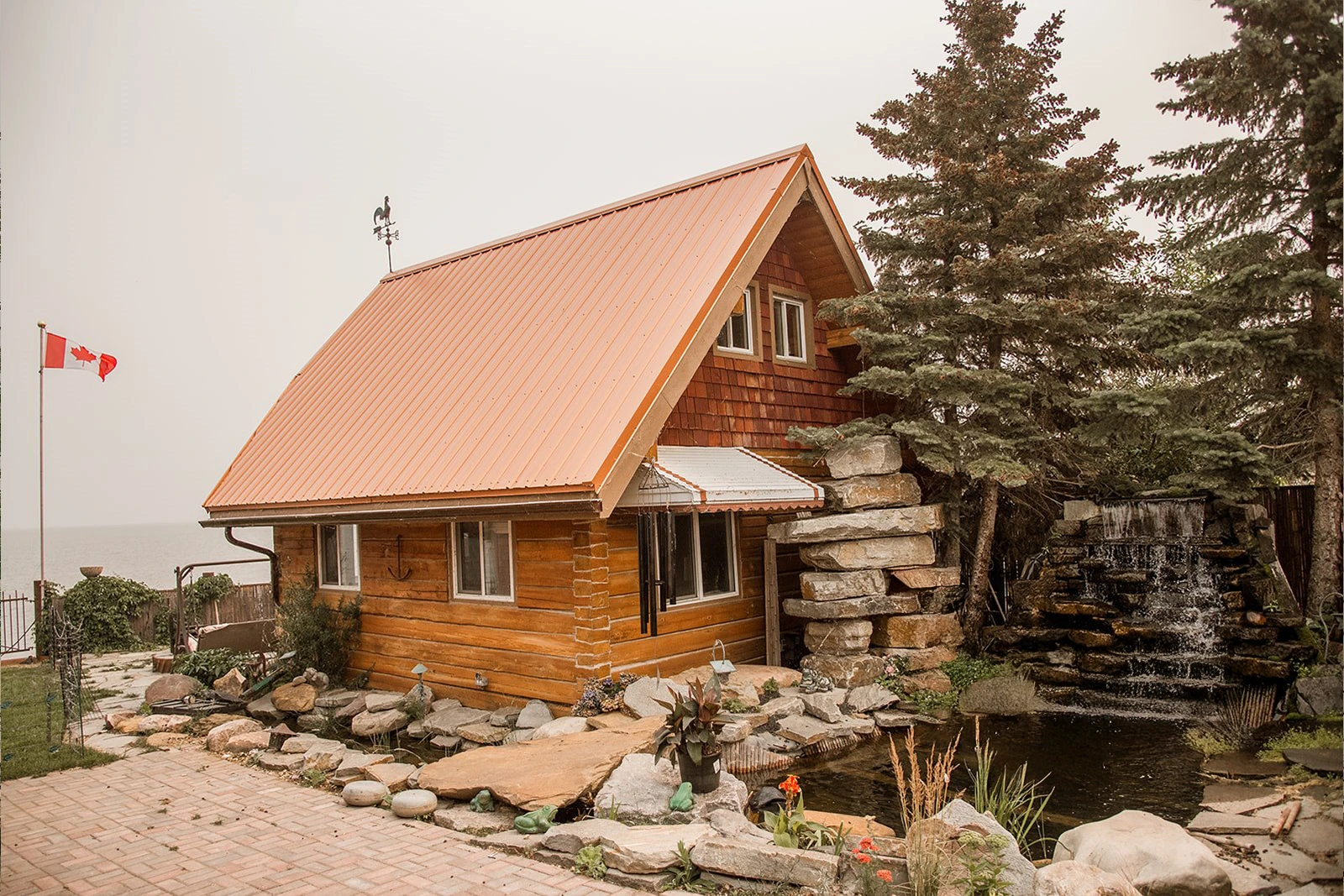
Take a closer look at the precision, durability, and craftsmanship behind every project we deliver. From raw materials to finished products, each piece reflects our commitment to quality, consistency, and performance you can rely on.
Get a Quote
Request a quote, and we’ll handle the rest →
Our in-house brake and bending capabilities mean tighter tolerances, faster turnaround, and metal shaped exactly to your specs — no outsourcing, no delays.